

I. Overview of the Working Principle of Button Batteries
Button batteries release chemical energy through internal chemical reactions and convert it into electrical energy. This process relies on the positive and negative electrode materials inside the battery, as well as the conductive effect of the electrolyte. The process of electrons flowing from the positive electrode to the negative electrode generates current, providing power for electronic devices.

II. Core Structure and Function of Button Batteries
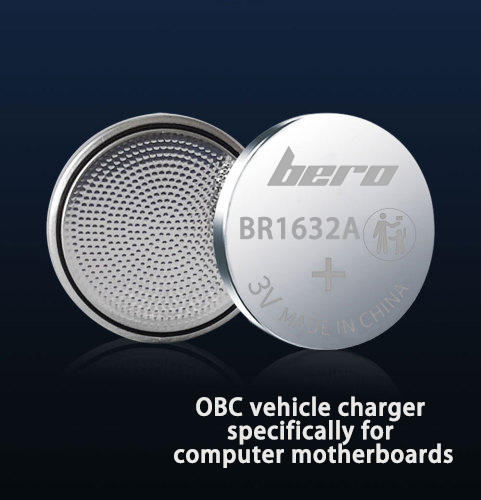
The structure of a button battery consists of the positive electrode, the negative electrode, the electrolyte, and the separator. The positive and negative electrodes are separated by the electrolyte to form the basic environment for the chemical reaction. The separator ensures the safety of electron flow, prevents short circuits from occurring, and allows the transfer of ions to maintain the closed circuit.
III. Detailed Explanation of Chemical Reactions in the Energy Conversion Process
Chemical reactions in the battery trigger the movement of electrons: the positive electrode material releases electrons, which flow through the external circuit to the negative electrode, driving the operation of electronic devices. The ion flow in the electrolyte balances the charges and ensures a stable current. This mechanism of converting chemical energy into electrical energy is the core of how button batteries function.

IV. The Application Prospects of Button Batteries in Modern Technology
The technology of button batteries is constantly evolving, with its high energy density and stability enabling its wide application in medical equipment, smart wearables, and the Internet of Things. In the future, improving the environmental performance and cycle life of batteries will be an important direction for technological development.