

Button batteries, these tiny power sources often overlooked by us, are actually everywhere, providing continuous energy for our daily lives. From watches and calculators to car remote controls, hearing aids, and even pacemakers, all rely on the silent dedication of button batteries. Today, let's lift the veil on button batteries and explore the scientific mysteries behind them.
I. Basic Structure of Button Batteries
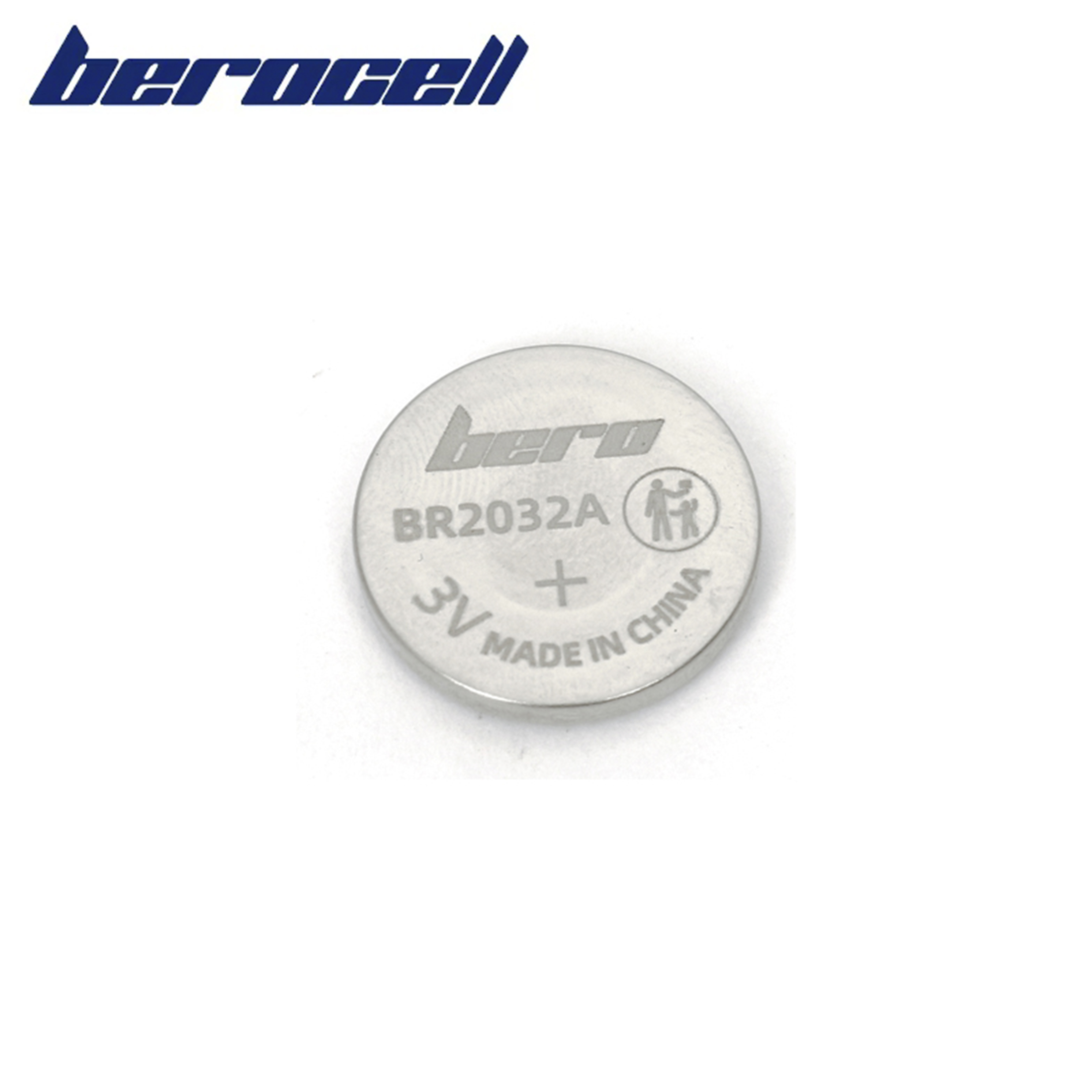
Button batteries, as the name suggests, have a shape similar to a button, being small and compact. Generally speaking, a button battery consists of a positive electrode, a negative electrode, an electrolyte, and a separator. The positive and negative electrodes are usually made of different metal materials, and the chemical reaction between them can generate electrical energy. The electrolyte is responsible for conducting ions, allowing the chemical reaction between the positive and negative electrodes to continue. The separator is located between the positive and negative electrodes, preventing short circuits within the battery.
II. The Working Principle of Button Batteries
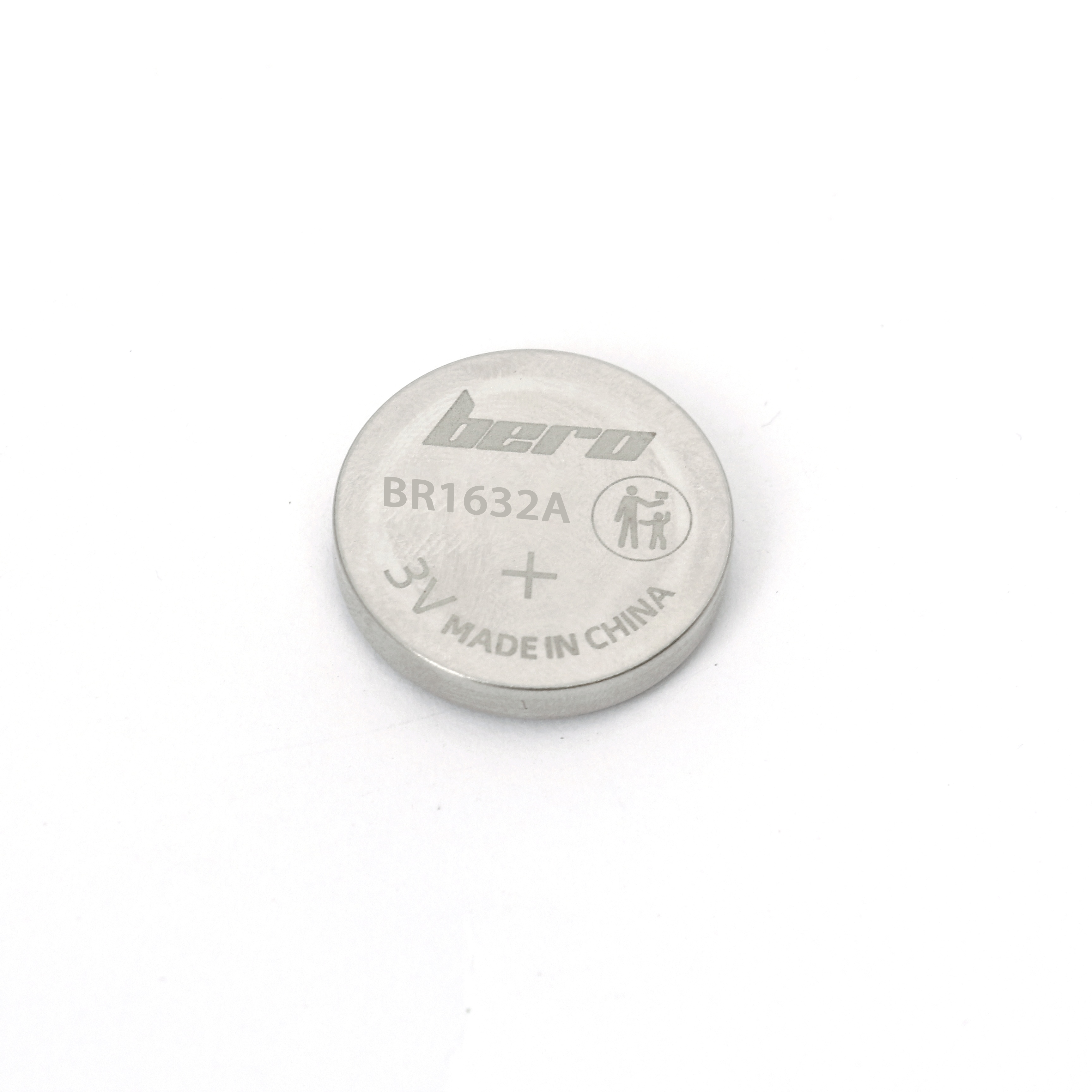
The working principle of button batteries is based on that of a primary battery. When the positive and negative electrodes of a button battery are connected through an external circuit, a chemical reaction occurs, causing the material at the positive electrode to lose electrons and the material at the negative electrode to gain electrons. During this process, electrons flow through the external circuit, generating electrical energy. At the same time, the electrolyte inside the battery also undergoes corresponding changes to maintain the progress of this chemical reaction.

III. Types and Characteristics of Button Batteries
There are numerous types of button batteries, which are mainly classified based on the electrolyte as alkaline batteries, silver oxide batteries, lithium batteries, etc. Different types of button batteries have distinct characteristics. For instance, alkaline batteries have a higher energy density and lower cost, while silver oxide batteries offer a higher voltage and longer lifespan. Lithium batteries are renowned for their high energy density and long lifespan.
IV. Safe Use and Environmental Protection of Button Batteries
Although button batteries are small and convenient, safety must also be taken into account during their use. Firstly, do not disassemble or modify the batteries at will to avoid short circuits or fires. Secondly, used batteries should be properly disposed of and not be discarded randomly to prevent environmental pollution. Currently, many places have set up battery recycling points, and we can recycle and reuse the used batteries through these channels to achieve the recycling and reuse of resources.
With the continuous advancement of technology, button batteries are also evolving. On one hand, the application of new materials and new technologies has enhanced the performance of button batteries, such as higher energy density and longer lifespan. On the other hand, the increasing awareness of environmental protection has also driven the development of button batteries towards a more environmentally friendly direction. In the future, we look forward to seeing more efficient and environmentally friendly button battery products come into existence, bringing more convenience to our lives.